Photo Studio Business Ideas: 8 Ways to Fill Empty Weekday Slots
Most studio hosts know the pattern: weekends book out, Tuesday afternoons sit empty, and the rent, EMI and electricity bill arrive on schedule regardless. Even busy studios have hours that earn nothing, because nobody books 9 am on a Wednesday or the last hour before closing. That is the case for adding a second or third revenue stream rather than only chasing more hourly bookings. This guide collects practical photo studio business ideas for Indian hosts: who buys each one, how to price it with simple worked maths, how much effort and risk it carries, and how to list it. It ends with a 30-day plan to test two streams. If you want help with listing photos and marketing, our post on getting more studio bookings covers that; this one is about what you sell.
How photo studios make money, and where the gaps are
A rental studio earns mainly from hourly or half-day bookings. Industry commentary from the US studio-rental world makes a point that applies here too: even at high utilisation, a share of your open hours will earn nothing, because demand clusters around weekends, evenings and seasonal peaks. There is no reliable public data on studio occupancy in India, so do not benchmark yourself against a number from a blog. Benchmark against your own calendar.
Pull the last eight weeks of bookings and mark each hour as booked or empty. Most hosts find the same picture: strong Friday to Sunday, patchy Monday to Thursday, and dead hours early morning and late evening. Those empty weekday blocks are the inventory the ideas below are designed to sell.
Your goal is not to fill every hour. It is to sell the hours nobody books at full rate, without discounting the hours people do.
Memberships and block-hour plans
Who buys it: photographers and creators who shoot every week or month. In Delhi NCR that includes maternity, newborn and cake smash photographers who need a reliable set several times a month, product photographers with retainer clients, and YouTubers who batch-record.
How to price it: sell a prepaid bundle of weekday hours valid for 30 days, at a modest discount to your hourly rate. Worked hypothetical: if your weekday rate is ₹1,500 an hour, a 10-hour weekday pack at ₹12,000 gives the photographer ₹1,200 an hour and gives you ₹12,000 of guaranteed income for hours that might otherwise sit empty.
Effort and risk: low effort once set up. The risk is a membership that eats prime time. Restrict packs to weekday daytime slots, cap advance booking (for example, no more than two weeks ahead) and let unused hours expire.
How to list it: ContCave lets hosts set packages and add-ons on a listing, so a weekday block package can sit beside your normal hourly price.
Equipment rental and add-ons
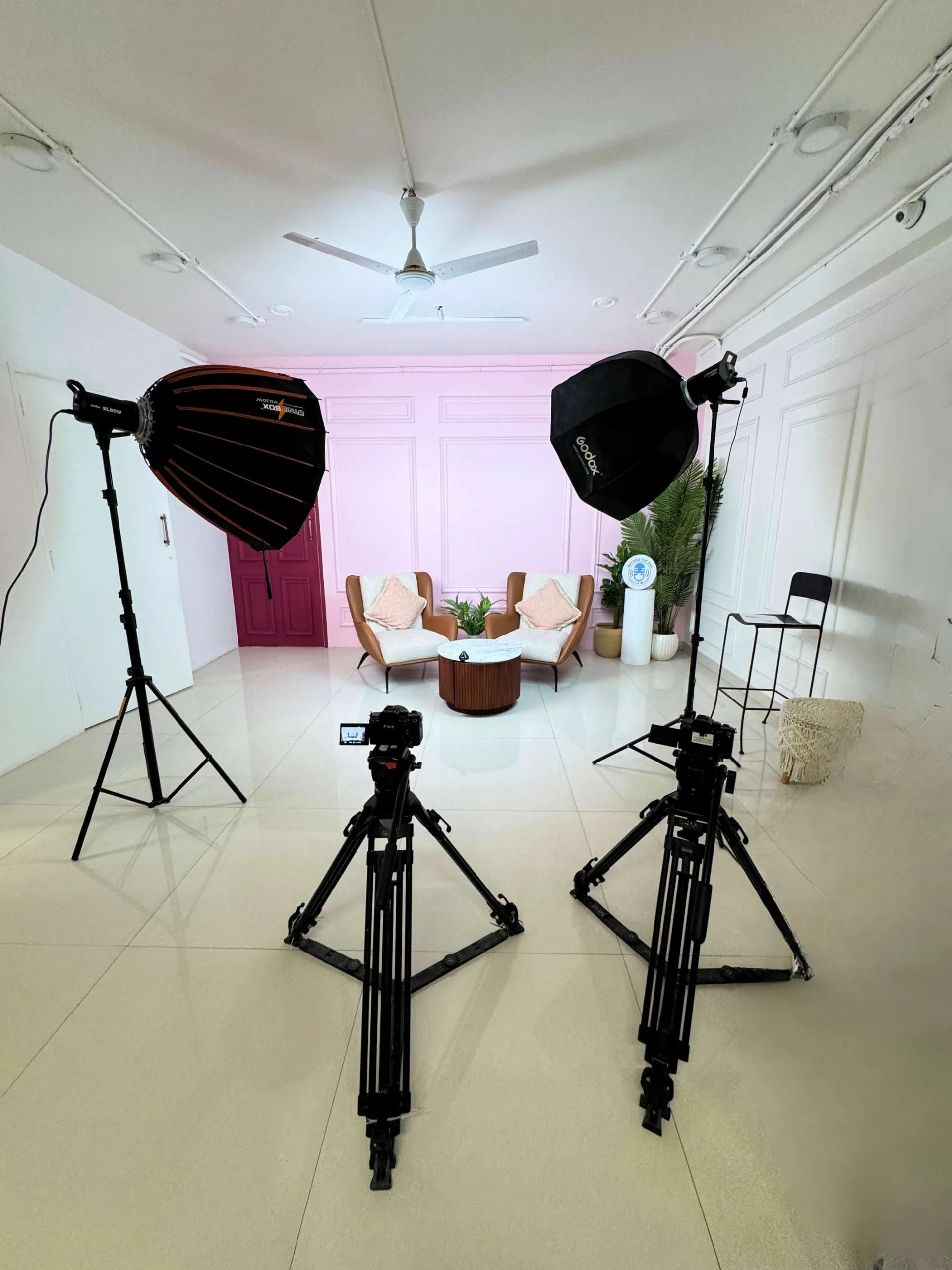
Who buys it: renters who arrive with a camera but not a full lighting kit, and video crews needing an extra light, a teleprompter or a backdrop colour.
How to price it: charge per booking, not per hour, for small items, and per day for big ones. Price add-ons so that an item pays itself back in a reasonable number of rentals, and include wear and replacement in your thinking.
Effort and risk: low effort, moderate risk of damage. Pair it with clear damage terms and a check-in and check-out checklist.
How to list it: as add-ons on your listing, with a short description of what each one includes.
Workshops, classes and events
Who buys it: beginners learning studio lighting, newborn photographers learning safe posing on a set, creators wanting a reels or podcasting basics session, and small brands wanting a product photography crash course.
How to price it: per seat. Worked hypothetical: a 3-hour weekday lighting workshop with 8 seats at ₹2,500 each brings in ₹20,000. If you pay a guest trainer ₹8,000 and spend ₹1,000 on refreshments, you keep about ₹11,000 for three hours that may otherwise have earned nothing.
Effort and risk: medium effort, mainly marketing. The risk is low enrolment, so set a minimum seat count and a cut-off date.
Pop-ups and small events work similarly: a weekend market, a portfolio review evening, a brand meet-up. Check your building's rules and local permissions before hosting the public.
Packages for creators, brands and productions
Packages bundle space with something else so buyers do not have to assemble it themselves. Ideas that fit Indian demand:
- Course creators: batch recording days where an educator records several modules in one long weekday block, with a teleprompter and two-camera setup as add-ons
- Brand monthly content days: a fixed day each month for a D2C brand's product and reels shoot, booked as a recurring block
- Microdrama and short-film crews: multi-day blocks at a day rate, often on weekdays
- Podcast production packages: room plus mics plus a basic multi-camera recording, with editing offered separately if you or a partner can deliver it
- In-house shoot services: if you have a photographer on your team, a fixed product-shot package per SKU batch
Worked hypothetical for a brand content day: a 6-hour weekday block at ₹1,400 an hour is ₹8,400. Twelve monthly days a year is roughly ₹1 lakh of predictable revenue from one client, mostly on days that would otherwise be quiet.
Seasonal mini-sessions, digital products and partnerships
Festive mini-sessions are an easy test. With Diwali on Sunday 8 November 2026, families want quick festive portraits in the weeks before. Partner with a photographer to run 20-minute mini-sessions on a decorated set over two or three weekdays, with the photographer selling the sessions and paying you for the block, or sharing revenue by agreement.
Digital products such as lighting diagrams, Lightroom presets shot in your space or set-design templates can earn slowly in the background, but only if you already have an audience. Treat them as a bonus, not a plan.
Brand partnerships, where a lighting or backdrop brand places gear in your studio or co-hosts a demo day, can add income or free equipment. They take time to land, so pursue them after your core streams are working.
A 30-day plan to test two streams
Pick two streams, ideally one low-effort (block packs or add-ons) and one higher-upside (a workshop or a brand content day).
- Days 1 to 3: export eight weeks of bookings and mark your emptiest weekday blocks
- Days 4 to 7: define both offers in writing, including price, slots allowed, validity and cancellation terms
- Days 8 to 10: add the package or add-on to your listing and update your description
- Days 11 to 20: message ten past renters and five photographers or brands you know, with a specific offer and dates
- Days 21 to 28: run the first workshop or sell the first packs, and note every question buyers ask
- Days 29 to 30: count revenue, hours used and effort, then keep, change or drop each stream
Mistakes to avoid:
- Discounting peak slots: never let a membership or package apply to Saturday afternoons
- Memberships that block prime time: cap advance bookings so members cannot reserve every Friday
- Selling services you cannot deliver: only offer editing or crew if someone reliable will do it
- Too many offers at once: two clear packages beat eight confusing ones
Test one change at a time on quiet hours. If it fails, you lose very little; if it works, you have found income that does not compete with your best slots.
FAQs: photo studio business ideas
How do photo studios make money?
Mainly from hourly and day rentals, supported by equipment add-ons, packages, memberships, workshops, events and in-house services. The extra streams matter because weekday and off-peak hours are hard to sell at full rate.
Is a rental studio profitable?
It can be, but it depends on rent, setup cost, your pricing and how many hours you sell. Track revenue per open hour, not just total bookings, and fill quiet hours with offers that do not undercut your peak rate.
What is a good occupancy rate for a studio?
There is no reliable published benchmark for Indian studios. Measure your own booked hours as a share of open hours each month, split by weekday and weekend, and aim to improve weekday numbers steadily.
Should I offer monthly memberships?
Yes, if you have regular renters and quiet weekdays. Limit them to off-peak slots, cap advance bookings, and let unused hours expire.
Why list with ContCave
On ContCave you can list your studio, set hourly pricing and add packages and add-ons such as weekday block plans or equipment, manage availability with Google Calendar sync, receive bookings and payouts online, and chat with renters about custom requirements. That makes it straightforward to put a new offer in front of photographers, creators and brands in Delhi NCR who are already comparing studios.
Final takeaways
Extra revenue streams work best when they sell your quiet hours and protect your busy ones. Start small, measure honestly and keep what works.
- Map eight weeks of bookings and find your emptiest weekday blocks
- Launch a weekday block package with expiry and advance-booking limits
- Test one workshop or brand content day this month
- Plan a festive mini-session block before Diwali on 8 November
- Review results after 30 days and drop anything that is not paying for its effort