Microdrama Studio India: What Creators Need in 2026
If you are booking a microdrama studio in India for the first time, the biggest mistake is assuming any hourly rental space will do. A microdrama studio needs to be set up for 9:16 vertical frames from the ground up — the lighting, the blocking space, even where the art department hangs a backdrop — not a horizontal set you crop down later. This post is a checklist for creators and production teams scouting a studio for a vertical series shoot, so you know exactly what to ask before you pay a deposit.
Why a regular content studio doesn't automatically work
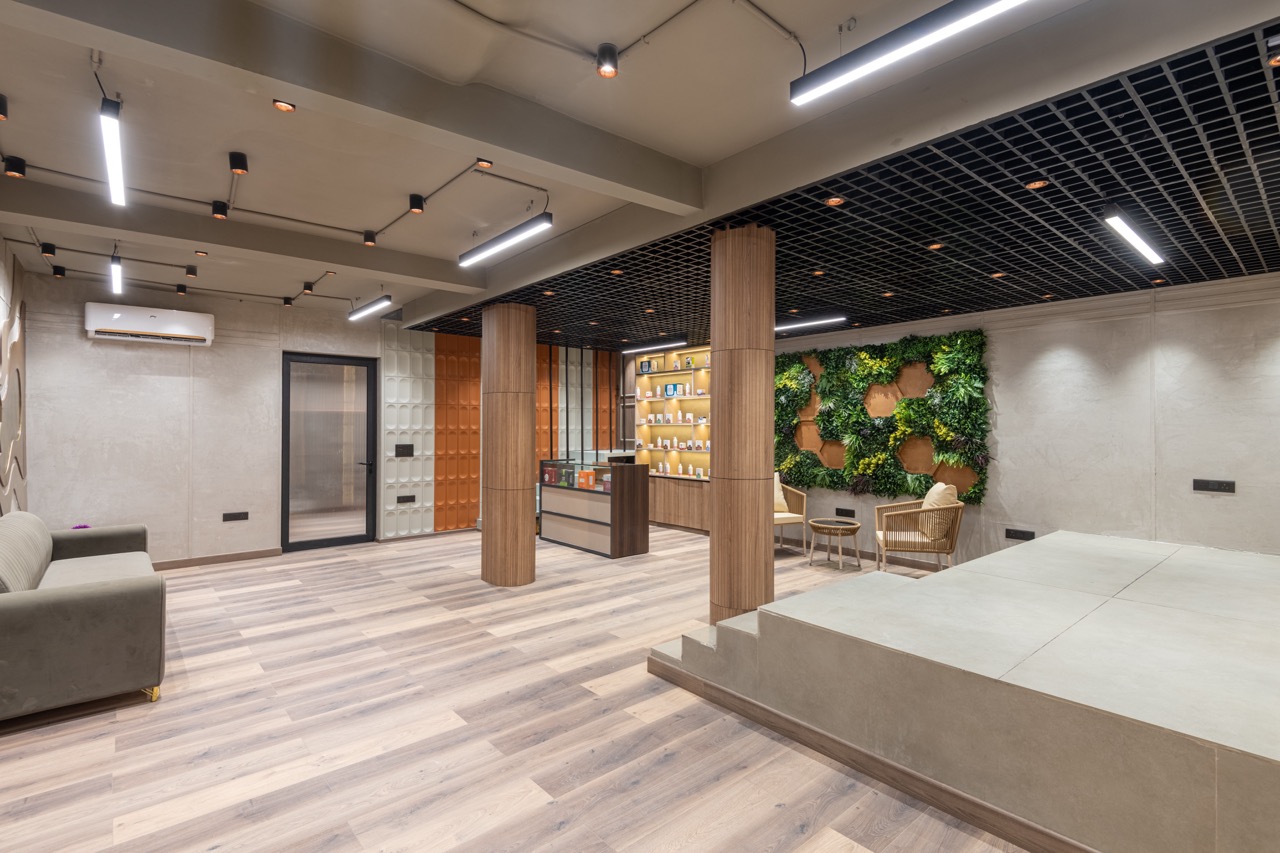
Most studios in Delhi NCR are built for reels, podcasts, or product shoots — all useful formats, but none of them demand what a multi-episode vertical drama does. A reels studio might have one nice backdrop wall and a ring light; a microdrama set needs two or three distinct looks (a home, an office, a confrontation corner) within walking distance of each other, because a season is shot out of order across locations in the same building to save setup time.
The practical test: ask the studio if they have hosted a vertical series shoot before, not just reels or YouTube videos. A studio that has only done single-camera horizontal content will likely need you to bring your own grip, flags, and vertical-specific lighting rigs — which changes your budget and your shoot day.
A studio that can show you a sample frame shot vertically in its own space, not just a horizontal photo cropped to 9:16, has actually thought about microdrama production.
The vertical-shoot checklist: what to confirm before booking
Walk into a studio tour with this list:
- Ceiling height and rigging points for lights positioned for a 9:16 frame, not just overhead key lights built for tabletop product shoots
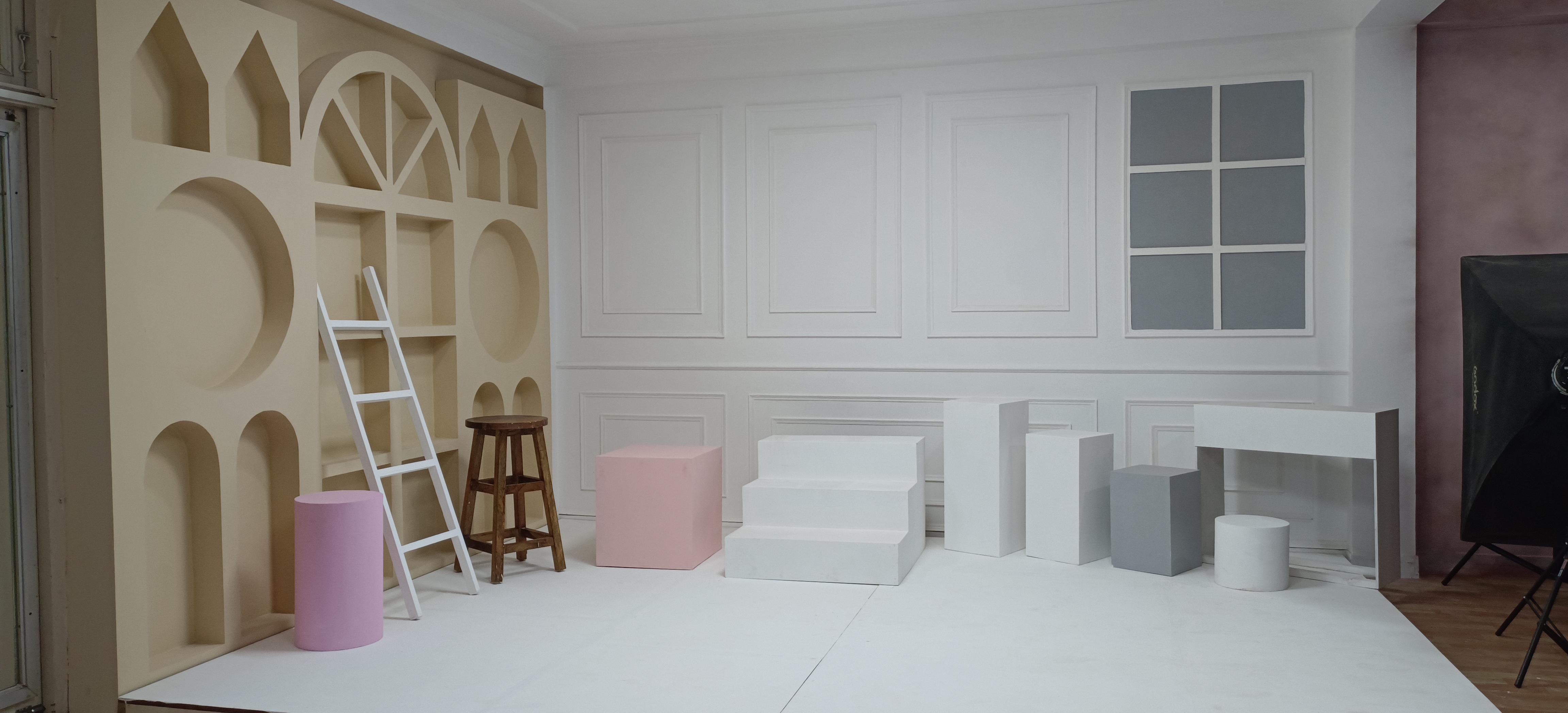
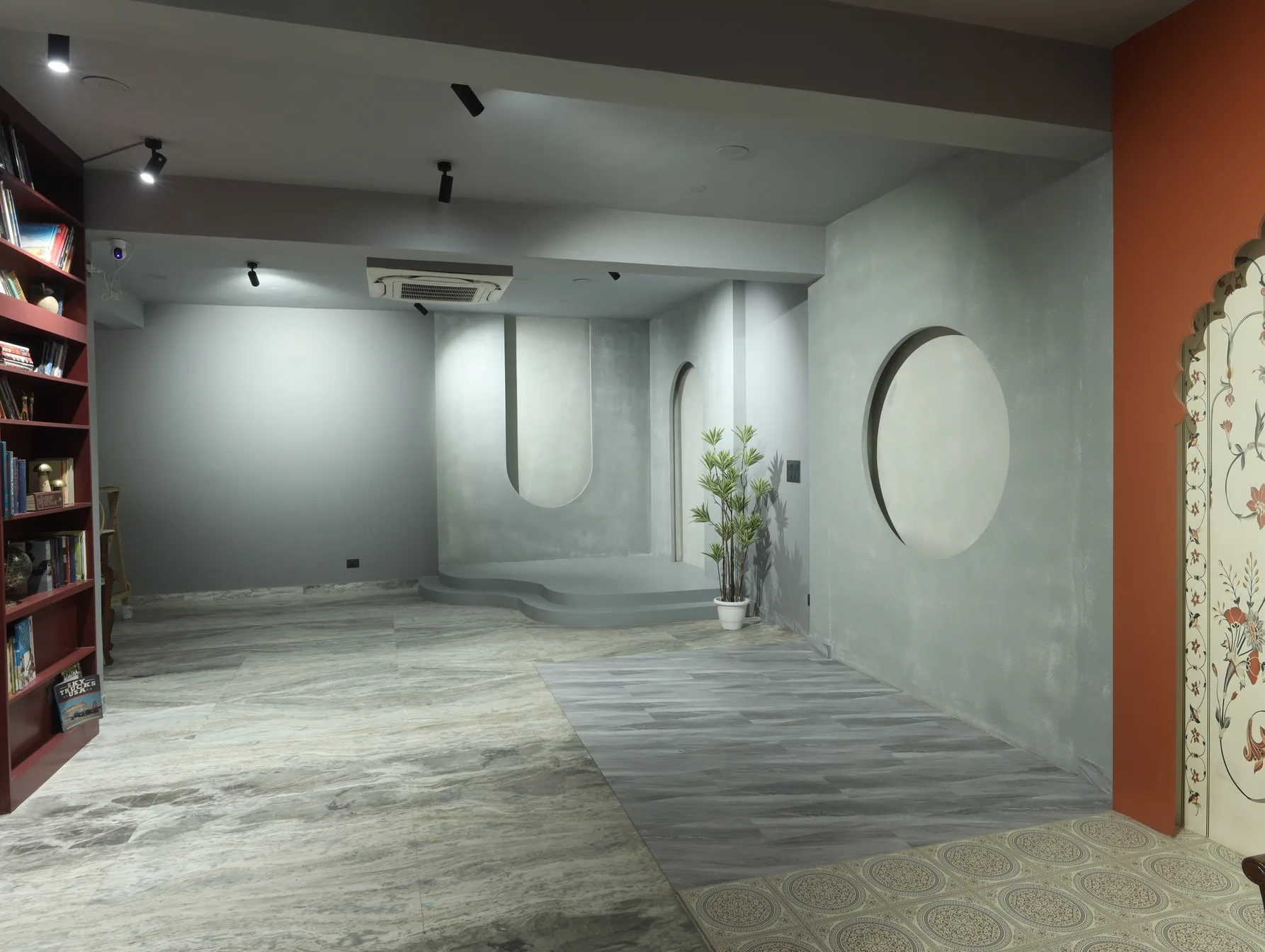
- At least two to three distinct backdrop zones or micro-sets within the same booking (so you are not paying for a second studio for one scene)
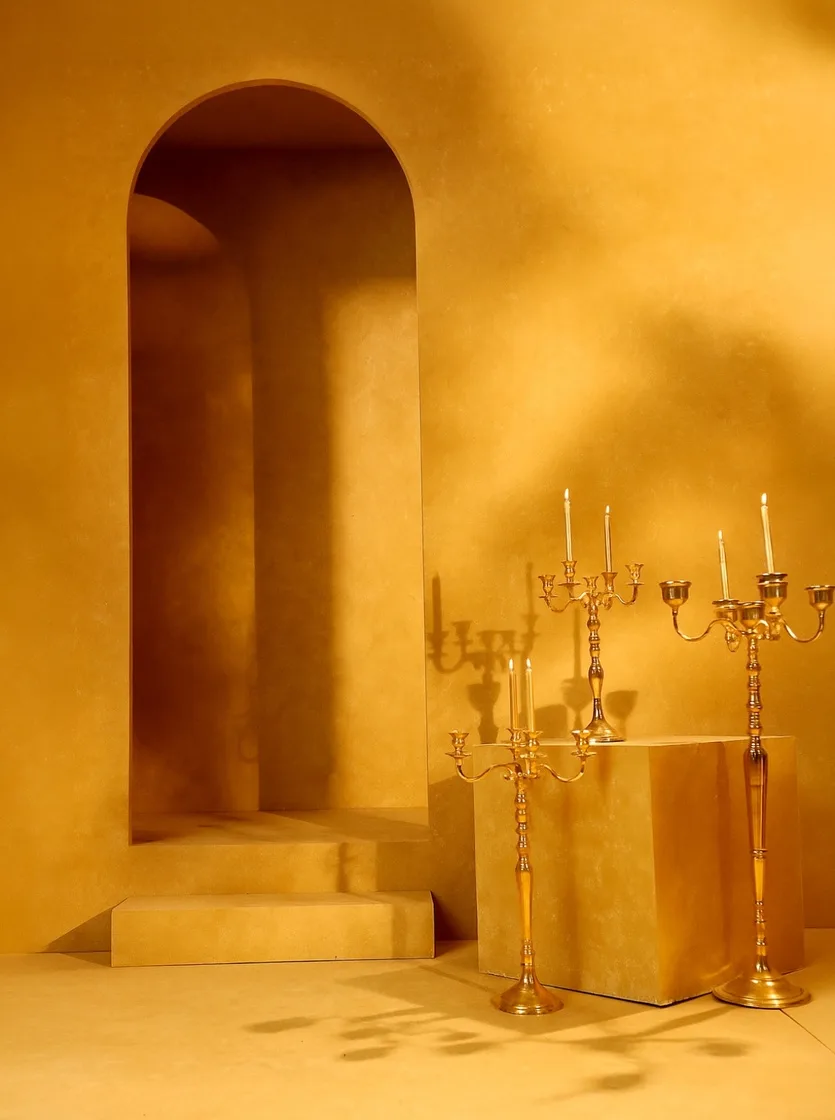
- Tall vertical elements already in the space — doorframes, staircases, windows — since vertical drama composition leans on height, not width
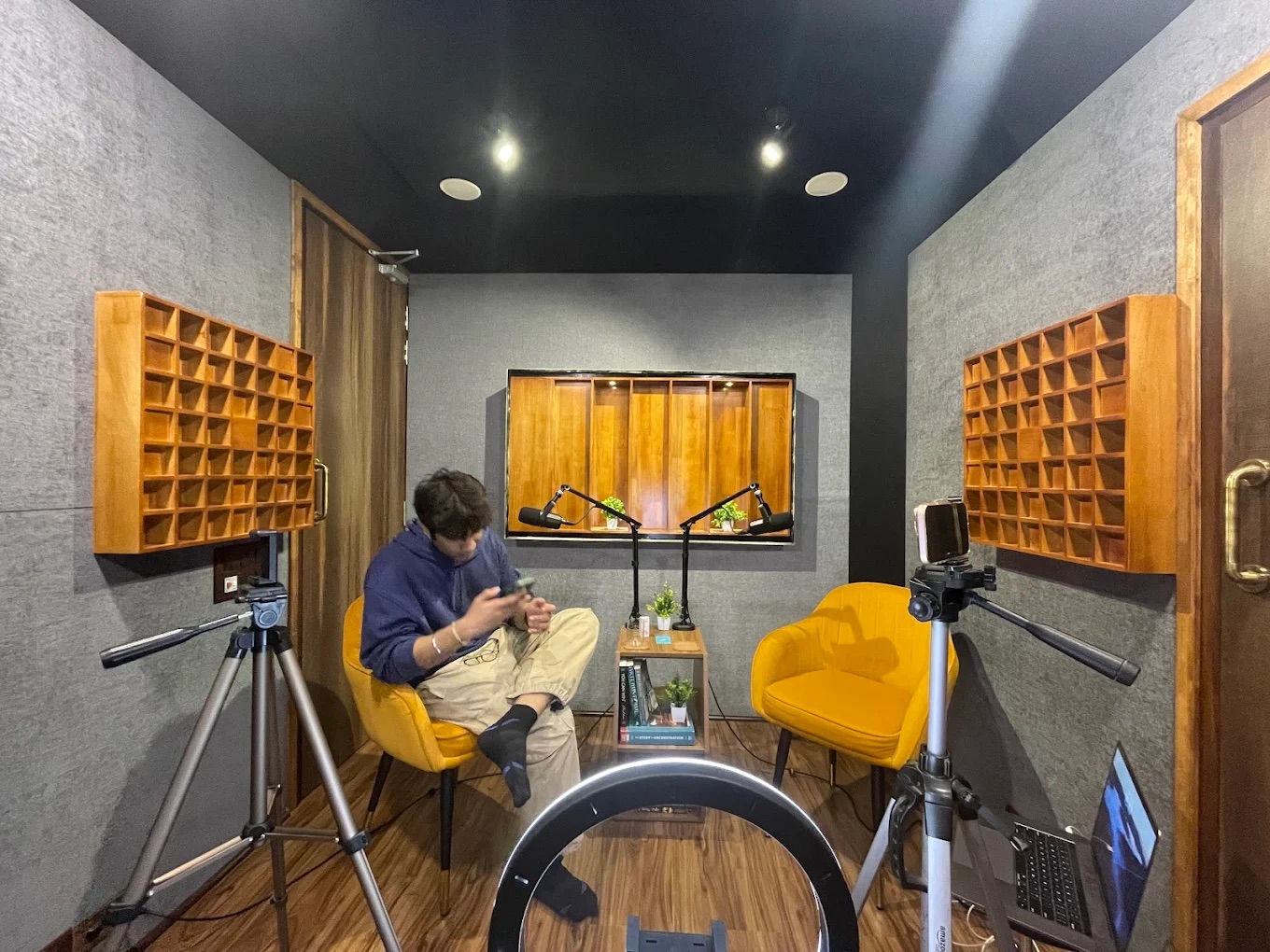
- Clean, quiet rooms for dialogue-heavy scenes; ask to hear a sample recording, not just look at the walls
- Power points and space for a multi-camera setup, since many vertical series shoots use two or three cameras per setup to cut down on retakes
- Parking and loading access if your production is bringing wardrobe racks, props, or a small crew
If a studio cannot answer these clearly, it is probably a general-purpose space rather than one that understands vertical production.
Lighting and camera setup for 9:16 footage
Lighting a vertical frame is not the same as lighting a horizontal one and cropping. A light that reads well on a widescreen monitor can look thin, blown out, or muddy on a phone screen, which is how a microdrama is actually watched. Studios that work with vertical creators usually keep lighting tighter and more contrast-driven, because phone screens compress dynamic range differently than a cinema monitor.
Camera placement matters just as much. Vertical blocking often puts actors closer to camera and stacks action top-to-bottom rather than side-to-side, so a studio with narrow rooms or low ceilings will fight you on every setup. Before booking, ask whether the studio's standard lighting kit is vertical-aware or whether you will need to bring your own rig — this is the single biggest line item people underestimate when they budget a microdrama shoot in a rented studio.
Set design and blocking for vertical frames
Platforms that distribute microdrama content place on-screen UI — titles, like buttons, captions — in the bottom and right edges of the frame. That means your blocking has to keep key action and faces in the middle 60% of the vertical frame, away from where a viewer's phone interface will sit. A studio with movable wall panels or modular backdrops makes this much easier, since your art department can shift a set without repainting a wall between scenes.
Ask the studio how much notice they need for set changes mid-shoot. A studio built for one-hour reels bookings may not expect a production crew repainting a wall or swapping furniture between scenes, and may charge extra for the turnaround time.
What microdrama-ready studios in Delhi NCR typically charge
Studios equipped for multi-camera vertical shoots tend to sit above the baseline hourly rate for a basic content studio, since you are paying for more floor space, more backdrop zones, and often technical support staff who understand vertical framing. Expect a meaningful premium over a single-backdrop reels studio, and plan for a half-day or full-day booking rather than a one- or two-hour slot — vertical drama setups take longer to light and block than a single reel.
Always confirm whether the quoted rate includes basic lighting and grip, or whether that is billed separately. A studio that is cheap per hour but charges heavily for lighting add-ons can end up costing more than a slightly pricier studio that includes a vertical-ready kit.
Renting a studio vs. building your own vertical set
For a one-off pilot or a handful of episodes, renting a studio that already understands vertical production is almost always cheaper than building a dedicated set, since you are not paying for construction, storage, or a long-term lease. Renting also lets you test different looks — a home interior one booking, an office the next — without committing to one physical space for your entire season.
A dedicated in-house set starts to make sense only once you are shooting back-to-back seasons at volume and the studio rental cost for repeat bookings starts to approach what a build-out would cost over a year. Most independent creators and small production houses in India are nowhere near that volume yet, which is why renting a vertical-ready studio remains the default approach.
FAQs: Microdrama Studio India
What should a microdrama studio in India have?
At minimum: vertical-aware lighting, two or three distinct set zones in one booking, clean acoustics for dialogue scenes, and enough ceiling height and floor space for a multi-camera setup. Ask to see sample vertical footage shot in the space, not a horizontal photo cropped to fit.
Can I shoot a microdrama in a regular reels or photography studio?
You can, but you will likely need to bring your own vertical-specific lighting and grip, and you may be limited to one set per booking. It works for a small pilot, but a studio built around vertical production saves time once you are shooting a full season.
Do microdrama studios provide cameras and lighting, or do I bring my own?
This varies by studio — always confirm in advance whether lighting, grip, and cameras are included in the hourly rate or billed as add-ons. A studio that is vertical-ready usually has lighting calibrated for phone playback already set up, which saves setup time on shoot day.
How is a microdrama studio different from a podcast or product studio?
A podcast studio is optimized for acoustics and a static camera setup; a product studio is optimized for controlled tabletop lighting. A microdrama studio needs movable sets, vertical-aware lighting, and enough space to block actor movement across a 9:16 frame — closer to a mini soundstage than a single-room content studio.
Why book with ContCave
ContCave lets you filter and compare studios in Delhi NCR by the details that actually matter for a vertical series shoot — floor space, backdrop zones, and transparent hourly pricing, so you are not calling five studios to find out which ones genuinely support multi-camera vertical setups. Every listing shows real pricing upfront, and booking is instant once you have shortlisted a space that fits your shoot.
Final takeaways
Booking the wrong studio for a microdrama shoot costs you in setup time, lighting workarounds, and wasted shoot days. Treat the studio tour like a technical scout, not a quick space check.
- Ask to see sample vertical footage shot in the studio, not a horizontal photo cropped to 9:16
- Confirm how many distinct set zones are included in one booking
- Check whether vertical-aware lighting and grip are included in the rate or billed separately
- Walk the space checking ceiling height, power points, and room for a multi-camera setup
- Book a half-day or full-day slot rather than a short one- or two-hour booking for a vertical shoot