Jewellery Photography Delhi: Studio Guide Before Dhanteras 2026
Dhanteras falls on Friday 6 November 2026 and Diwali on Sunday 8 November, which means jewellery buyers will be scrolling, saving and comparing pieces through late October. If you run a jewellery D2C brand or shoot for one, your jewellery photography in Delhi has to be finished, retouched and live well before that window opens. This guide covers how to plan the studio day: lighting reflective metal and stones, macro and tabletop technique, model shots, the catalogue and ad assets you need from one booking, and a working-back timeline so nothing is still in retouching on Dhanteras morning.
Why the festive window is tighter than it looks
Festive jewellery demand is not spread evenly across October. Karva Chauth on Thursday 29 October pulls gifting searches forward, Dussehra on 20 October is a common campaign launch point, and Dhanteras is the day many buyers have been planning a gold or silver purchase for weeks. Bhai Dooj on 10 November gives you a short tail after Diwali.
Competition for attention also rises. exchange4media reported that jewellery brands raised festive ad spend by roughly 20 to 40 percent, so your creatives will be sitting next to more polished work than usual. Thin, phone-shot product images look weaker in that feed than they would in March.
The practical consequence: treat mid-October as your real deadline for final assets, not early November. Ads need time in learning, marketplace listings need time to clear review, and the retoucher needs time to clean every stone.
Studio setup for jewellery: what to book
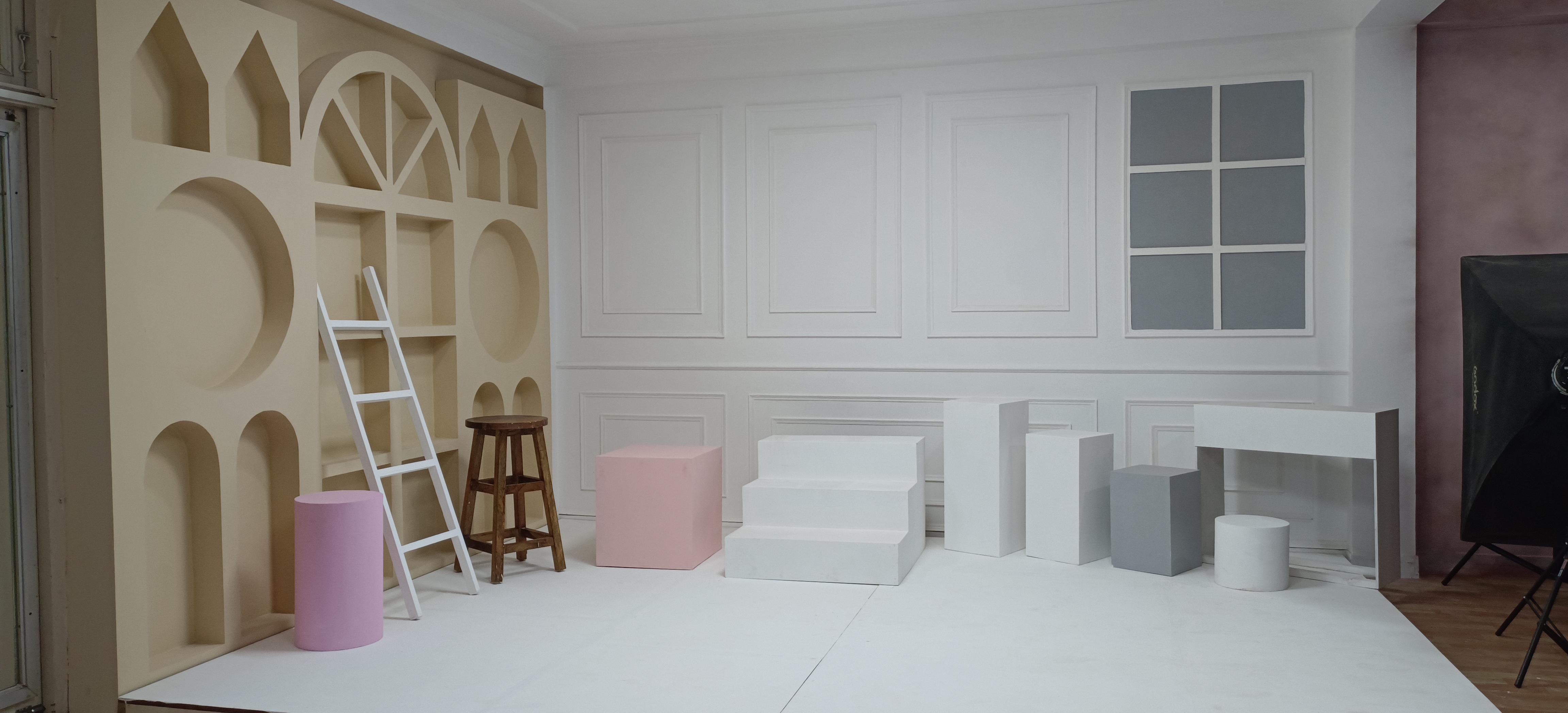
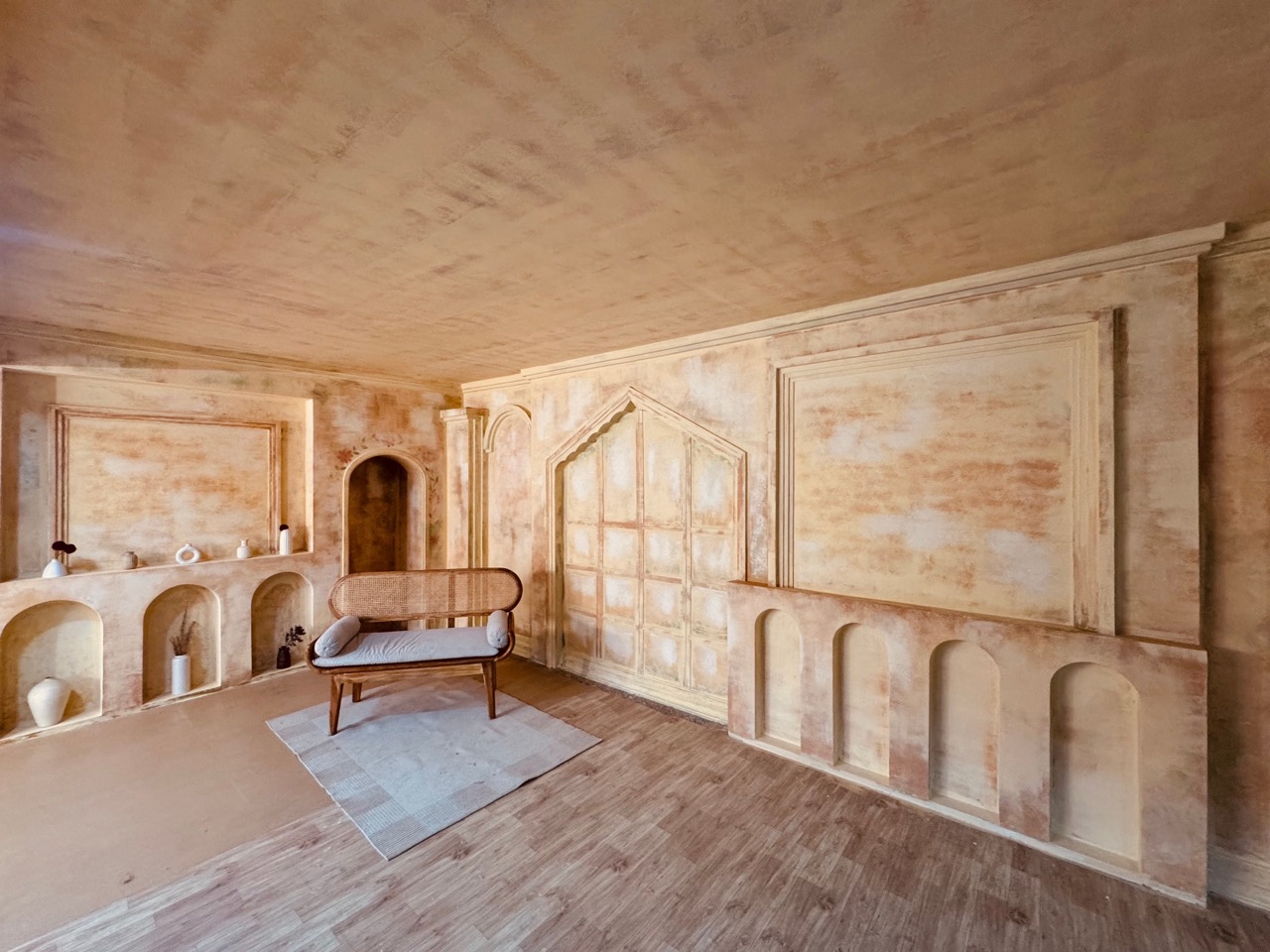
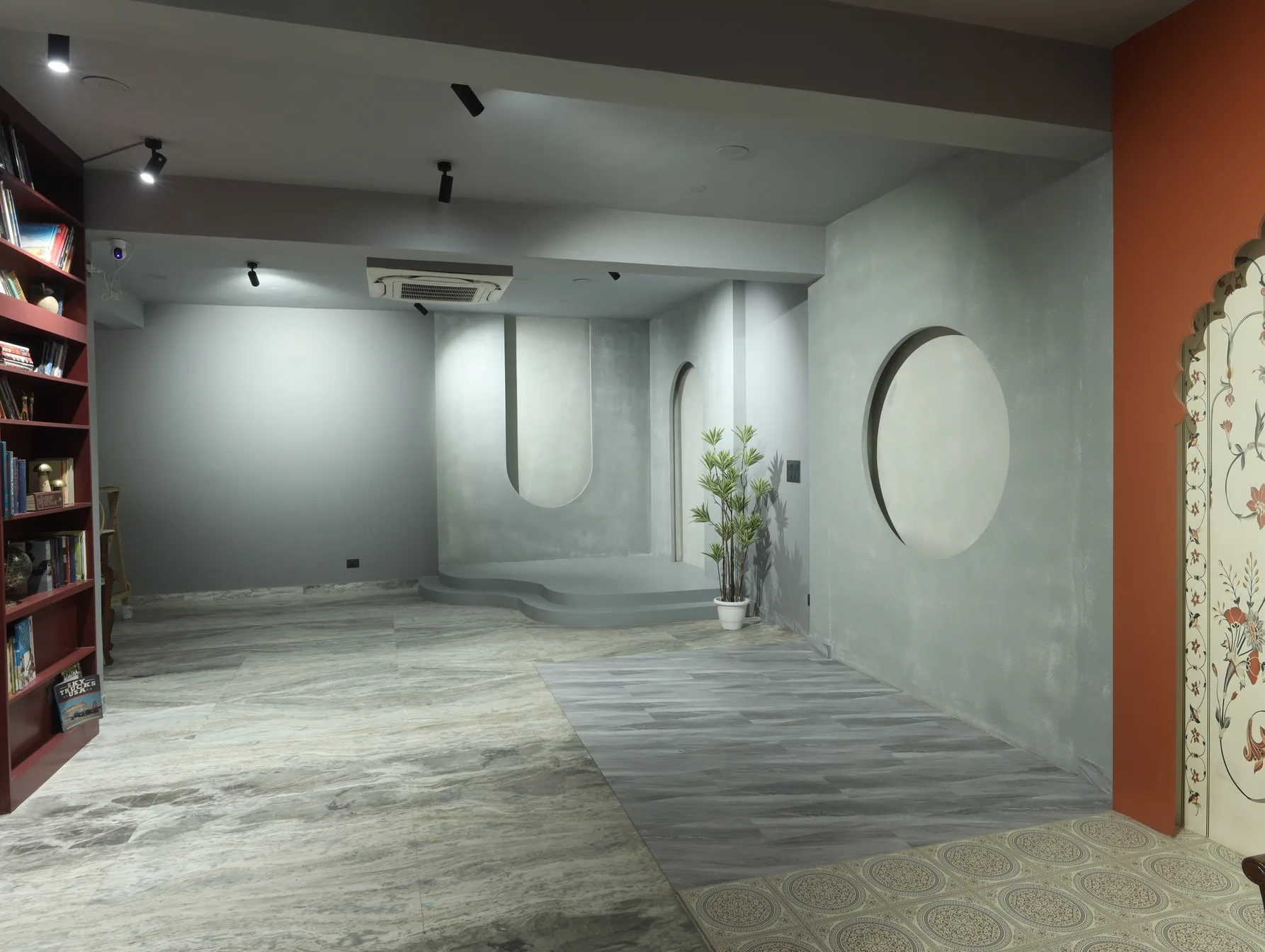
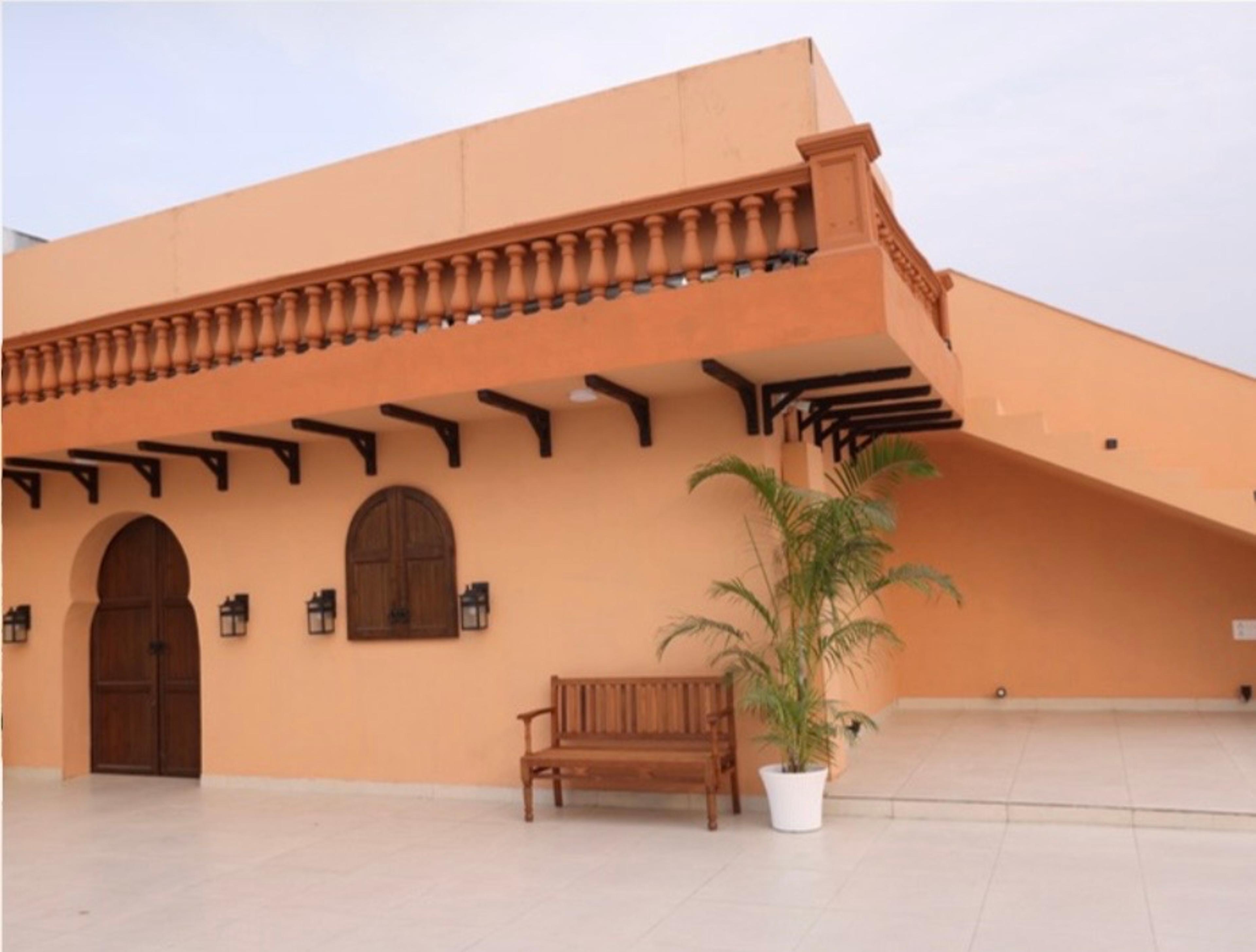
Jewellery is small, but the setup is not trivial. When you shortlist a studio, check for these before you pay for the slot:
- A tabletop or still-life area with a sturdy table, sweep or acrylic surface and enough room to walk around it
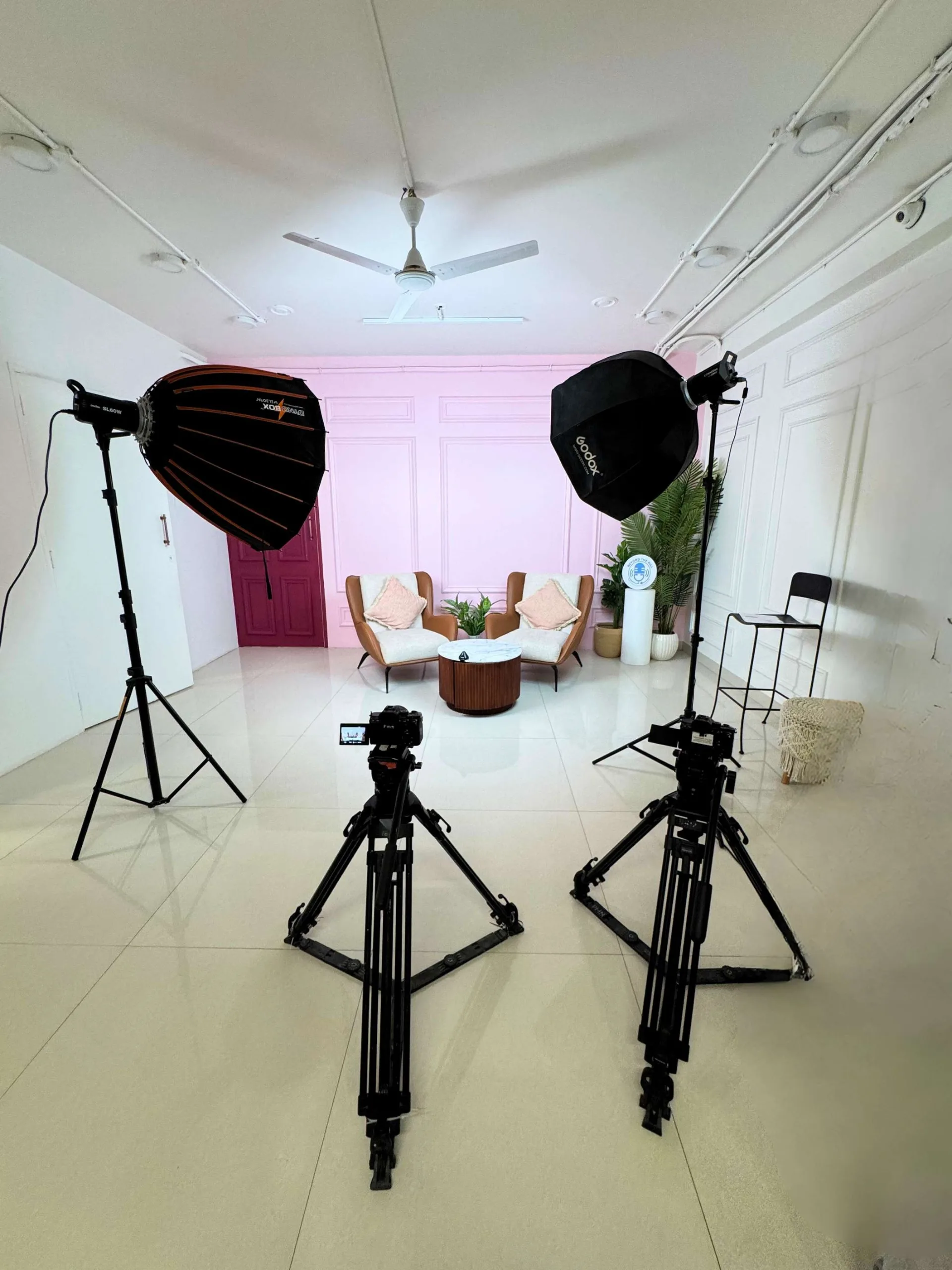
- Continuous lights or strobes with modifiers: softboxes, a light tent or diffusion scrims, and grids or snoots for control
- A blackout option so ambient window light does not add colour casts or stray reflections
- White and silver bounce cards and black flags (foam board works)
- A makeup and hair area with a mirror and good light if you are doing model shots
- A table or counter away from the set for unboxing, tagging and repacking pieces
- A room you can secure, with limited access while inventory is out
Ask the host about the exact lighting kit listed, whether the blackout is full or partial, and whether you can bring your own strobes. A clear message before booking saves an hour of improvising on the day.
Jewellery photography lighting: controlling reflections
Metal and stones reflect the room. Every bright or dark object around the set ends up in the surface of a ring or pendant, so jewellery photography lighting is mostly about deciding what the piece reflects.
Start with large, diffused light. A softbox close to the product, or a light tent around it, gives smooth, even highlights on gold and silver instead of hard pinpoints. Then shape the metal with cards. White and silver bounce cards fill shadows and brighten polished surfaces; black flags placed just out of frame add the dark lines that give a band or chain its defining edge. Without some black in the reflection, polished metal reads flat and grey.
A polarising filter is an option for cutting glare on some surfaces, though it will not remove reflections from metal the way it does from glass, so test it rather than relying on it. For diamonds and cut stones you want small, controlled points of light for sparkle, so a gridded or snooted light at an angle often works alongside the main diffused source.
Light the room, not just the ring: whatever is around your set, including you, ends up reflected in the metal.
Handling matters as much as lighting. Use cotton or nitrile gloves so fingerprints never reach the piece, keep a dust blower on the table, and clean between every setup. A smudge that is invisible to the eye becomes a retouching job at 100 percent crop.
Macro technique: lens, aperture and focus stacking
For product shots, a dedicated macro lens is the standard choice because it focuses close enough to fill the frame with a single earring or stone. Shoot around f/11 to f/13 at low ISO on a tripod, with the camera tethered to a laptop so the team can check focus and dust on a large screen.
Even at f/13, depth of field on a ring shot from close up is shallow. Focus stacking solves this: shoot a series of frames with the focus point stepping from front to back, then merge them in post so the whole piece is sharp. Budget extra time for it, because each stacked image is several captures plus a merge.
If you sell on marketplaces, plan the angles their QC expects. Nykaa's seller image guidelines ask for close-ups that show plating or stone texture, plus shots that convey dimensions. Requirements change, so check the current specs in your seller panel before the shoot and turn them into a shot list.
Jewellery model shoot: scale, skin and styling
Product-only images sell detail; model images sell how a piece looks worn, and they answer the size question better than any ruler. A jewellery model shoot needs different planning from tabletop work:
- Cast for hands, ears and neckline, not just face; nails should be neat and neutral unless the brief says otherwise
- Keep makeup clean and skin-true so metal tones stay accurate
- Choose clothing with simple necklines in colours that do not fight with gold or stones
- Shoot a mix of tight crops (ear, wrist, collarbone) and mid shots that show the full look for festive ads
- Light with a large soft source and add a small hard accent for sparkle on stones
Shoot model sets after the tabletop work while the lights are still being reconfigured, or split them across two days if your SKU count is high.
Catalogue and ad assets from one booking
Plan your deliverables before the shoot so one studio day covers the full jewellery catalogue shoot and the festive ads. A typical list per hero SKU:
- Catalogue: front, angle, side or profile, back or clasp, macro detail, scale or on-model
- Ads: vertical 9:16 frames for Reels and Stories, 4:5 for feed, a few with negative space for festive copy
- Short video: a slow rotation on a turntable, a hand moving under light to catch sparkle, a model turn
- Festive styling: diyas, marigold, fabric textures or gift boxes as set dressing for Dhanteras jewellery ads
Shoot plain catalogue frames first, then layer festive props for the ad set, so you never have to clean props out of a catalogue image.
Timeline: working back from Dhanteras
Here is a simple working-back plan for 2026:
- By 10 October: lock SKUs, shot list and studio booking; confirm marketplace specs
- 12 to 16 October: shoot day or days
- 16 to 21 October: retouching, focus stack merges, colour checks, video edits
- By 20 to 22 October: upload to marketplaces and your site; launch ads around Dussehra
- 23 October to 5 November: run, read results, refresh creatives for Karva Chauth and the final pre-Dhanteras push
Keep a half-day buffer in the plan for reshoots on any piece that comes back with dust, a soft stack or a colour mismatch.
On security: keep a signed inventory list in and out, assign one person to handle pieces, limit who enters the set, and never leave items on the table during breaks.
FAQs: jewellery photography in Delhi
How do I photograph jewellery without reflections?
You cannot remove reflections from polished metal, only control them. Use large diffused light from a softbox or light tent, surround the piece with white or silver cards for clean highlights, and add black flags for defining edges. Shoot in a blacked-out room so windows and coloured walls do not appear in the metal.
Which lens is best for jewellery photography?
A dedicated macro lens is the usual choice for product shots because it focuses close enough to fill the frame with small pieces. Pair it with a tripod, apertures around f/11 to f/13, low ISO and focus stacking. For model shots, a short telephoto or standard prime gives flattering perspective.
How much does jewellery photography cost in Delhi?
There is no reliable per-piece figure, because cost depends on several variables: number of SKUs and angles, whether focus stacking is needed, retouching depth per image, model and makeup fees, studio hours, and whether video is included. Get quotes against a written shot list so you compare like for like, and price the studio hours separately so you can see where the money goes.
Why book with ContCave
ContCave lets you browse and compare photography studios across Delhi, Gurugram and Noida in one place, with hourly pricing shown upfront. You can check listing photos, amenities, add-ons and packages hosts offer, read reviews from past bookings, and message the host to confirm the lighting kit, blackout and security before you book. Booking and payment happen online, and each listing shows its cancellation policy.
Final takeaways
Jewellery that sells during Dhanteras is shot, retouched and live by around Dussehra. Get the lighting and handling right on the day and you will spend far less time fixing pieces in post.
- Book a studio with a tabletop area, light modifiers, blackout and a makeup space for mid-October
- Write a shot list per SKU that covers catalogue angles, macro detail, model shots and 9:16 ad frames
- Shoot with a macro lens at around f/11 to f/13 and focus stack every hero piece
- Control reflections with diffusion, white cards and black flags, and handle pieces with gloves
- Keep an inventory list and limit set access while high-value pieces are out