Diwali Family Photoshoot Ideas 2026: Karva Chauth to Diwali
Every October, families start looking for festive portraits a week before Diwali and find the good photographers and studios already booked. If you want Diwali family photoshoot ideas you can actually execute, this guide gives you the 2026 dates to plan around, ten studio setups with lighting notes, a shot list that covers grandparents to toddlers, outfit colour planning and a minute-by-minute plan for a 2-hour studio slot. It is written for families and couples in Delhi NCR, and for the freelance photographers who rent studios to shoot them.
The 2026 festive calendar and when to book
The festive season runs back to back this year, so slots before each festival fill quickly. These are the dates to plan around:
- Dussehra: Tuesday 20 October
- Karva Chauth: Thursday 29 October, with moonrise in Delhi around 8:15 to 8:20 PM according to panchang sites
- Dhanteras: Friday 6 November
- Diwali (Lakshmi Puja): Sunday 8 November
- Bhai Dooj: Tuesday 10 November
If you want Karva Chauth couple photos to share on the day, shoot in the week before 29 October, which means booking this week. For Diwali family portraits, the weekend of 31 October to 1 November is the sweet spot: close enough to feel festive, early enough that you get edited photos back before Dhanteras for greetings and WhatsApp DPs. The Dhanteras weekend itself is usually the hardest to book because everyone has the same idea.
Rule of thumb: book the studio and the photographer together, two to three weeks before the festival, and confirm both in writing on the same day.
There is also a practical reason to shoot indoors in late October and November. Delhi's air quality has repeatedly hit "very poor" to "severe" in this window in recent years, which means haze in outdoor photos and a rough morning for grandparents and small children. A climate-controlled studio removes that variable entirely.
Ten Diwali family photoshoot ideas for a studio
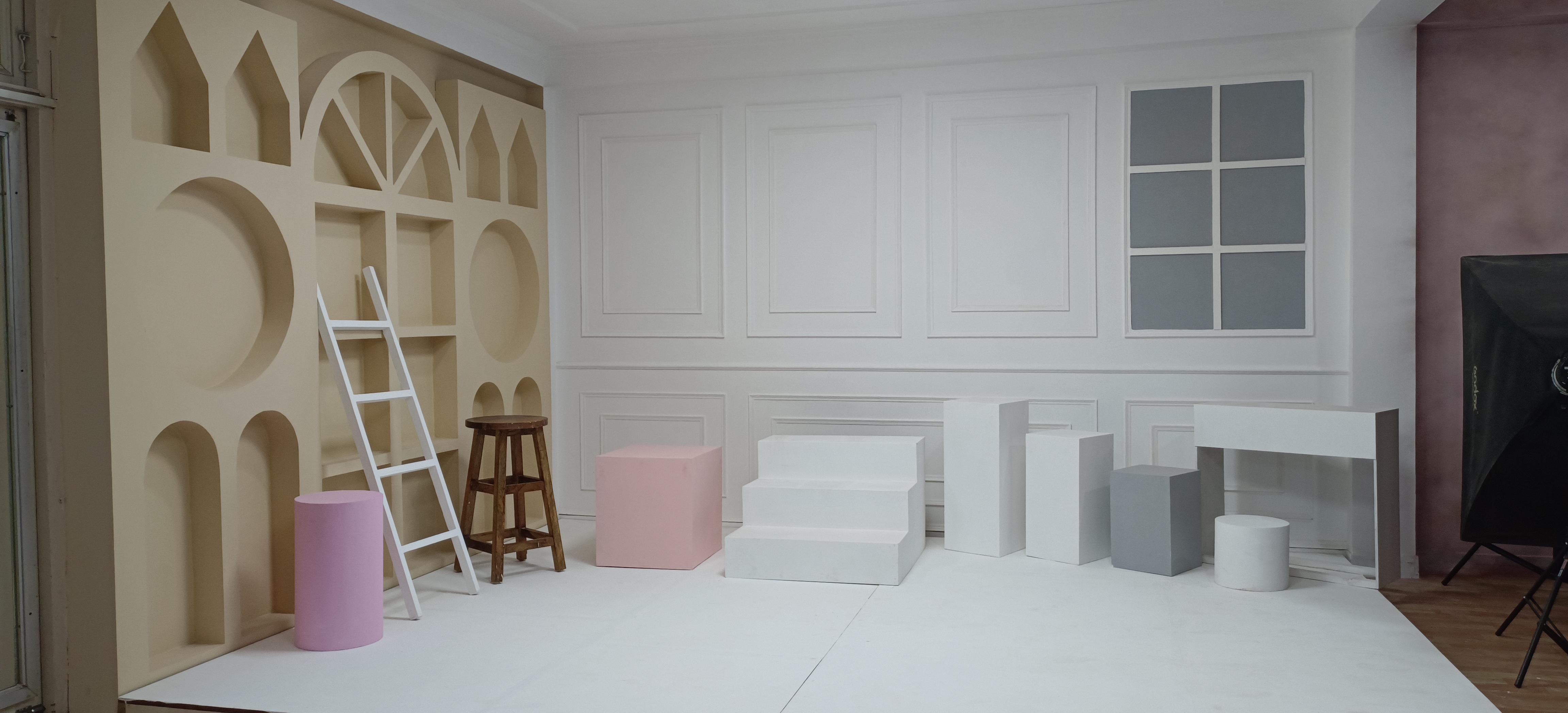
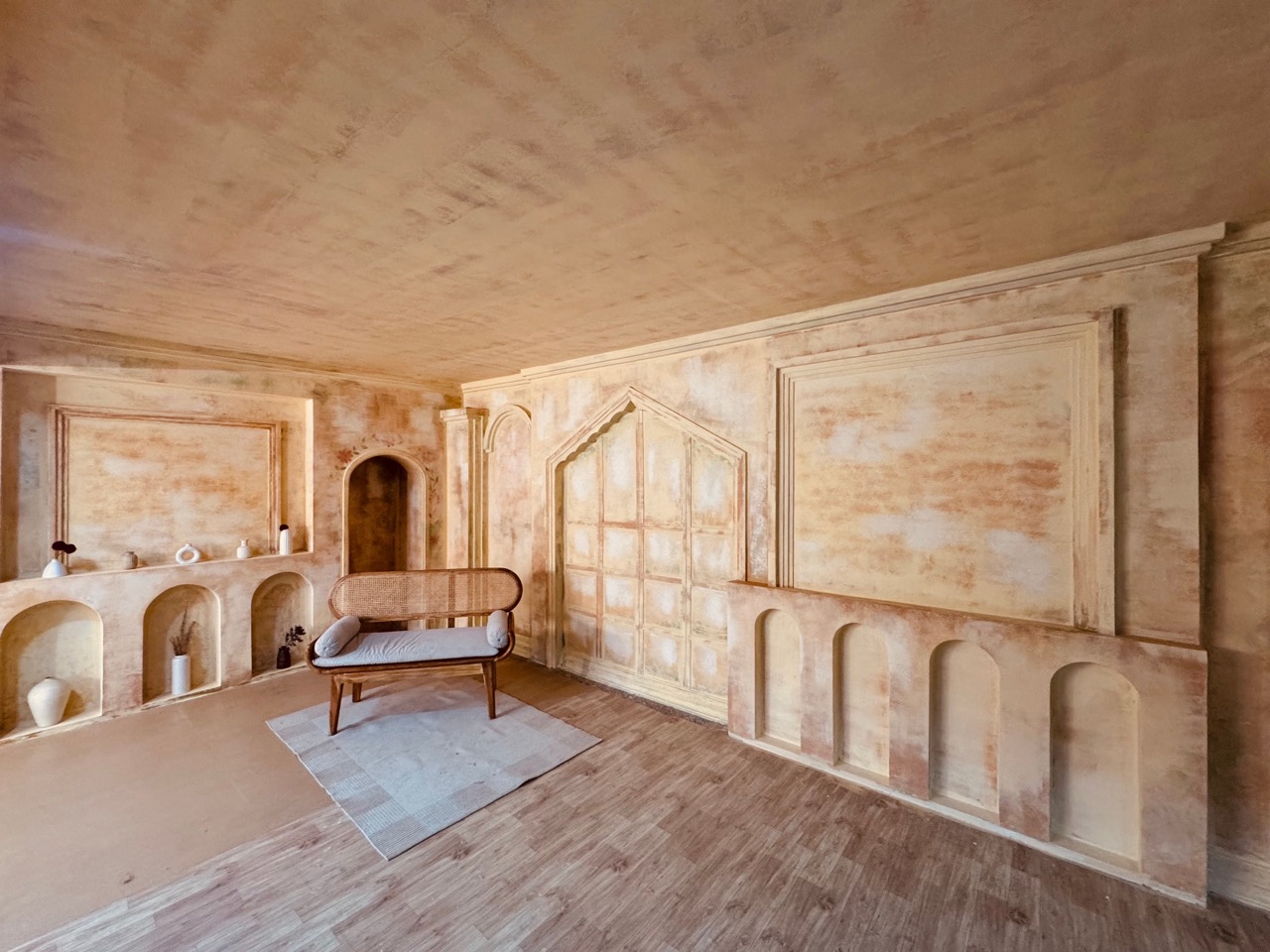
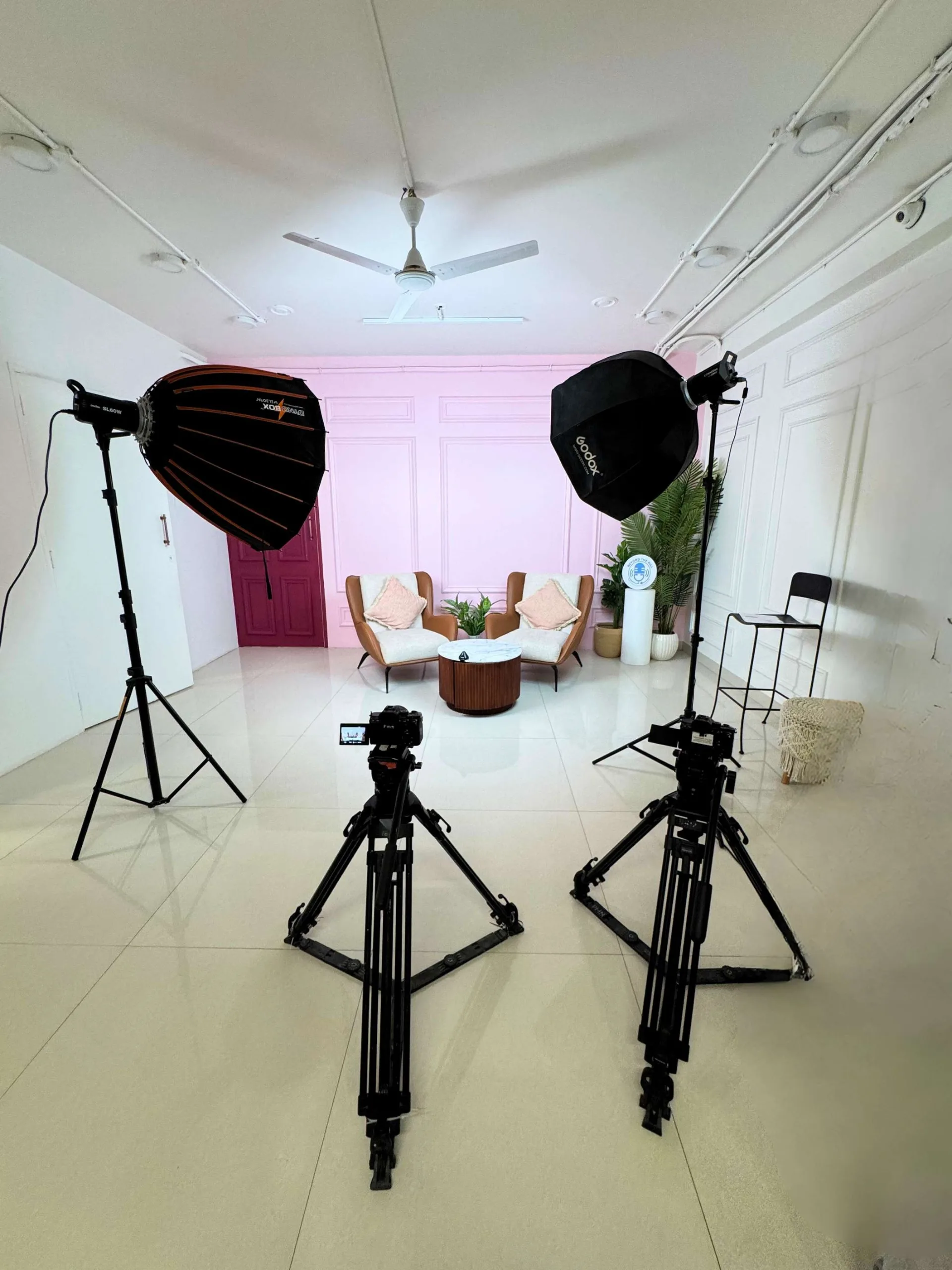
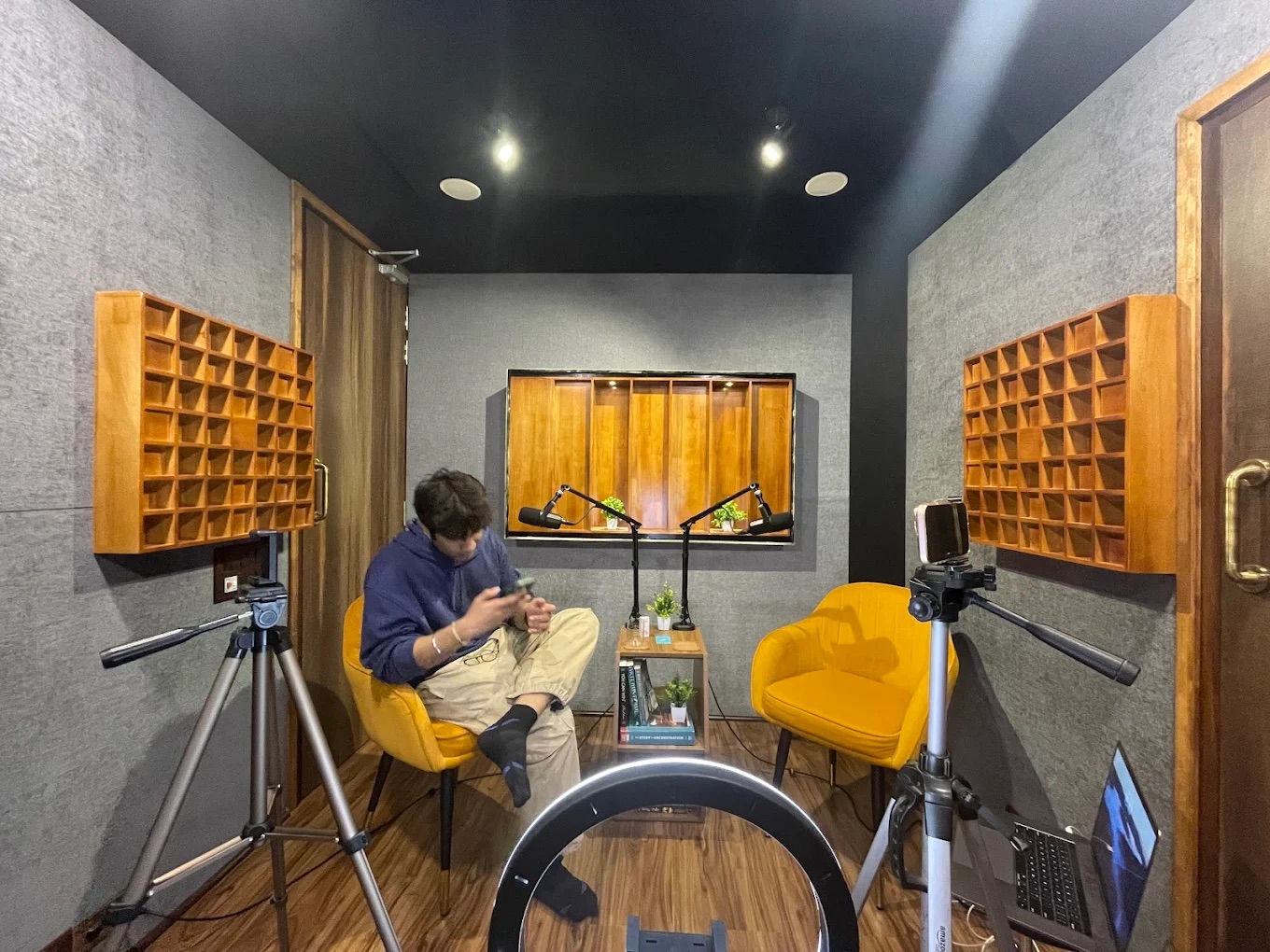
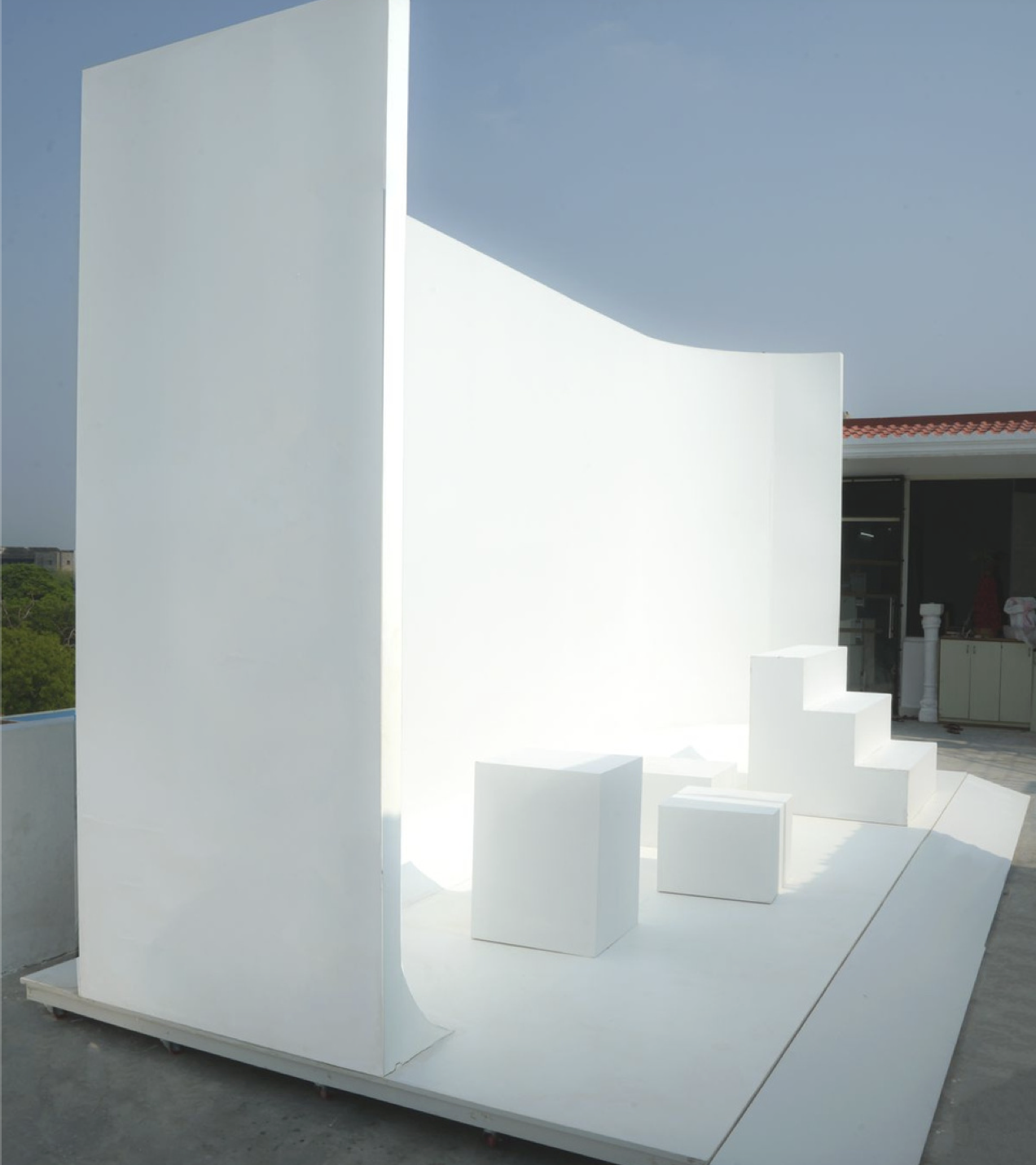
These setups work in a standard photography studio with a plain or textured backdrop, a few props and two or three lights. Most can be built and struck in 15 to 20 minutes, so you can fit three or four into one session.
- Diya rows with dimmed ambient light: line 30 to 50 diyas along the floor or a low table, drop the room lights, and use one soft key light at low power from the side so faces read while the diyas still glow. Shoot at a slower shutter speed on a tripod if you want more flame warmth.
- Rangoli backdrop: build a floor rangoli (or use a printed rangoli mat) and shoot from a ladder or high angle with the family seated around it. Even, overhead-style soft light keeps the colours true.
- Puja thali close-ups: hands holding the thali with roli, rice, a diya and sweets. Use a single soft light at 45 degrees and a shallow depth of field.
- Marigold and toran frame: hang marigold strings and a toran across the backdrop as a doorway. This is the classic full-family group shot, lit flat and bright with two softboxes.
- Fairy-light bokeh: string warm fairy lights two to three metres behind the subjects and shoot wide open on a portrait lens. Great for couples and children.
- Lantern and mithai table: one hanging lantern as a practical light over a styled table of sweets and brass bowls, for a candid "getting ready for guests" moment.
- Sibling tilak set: a low table, a thali and two cushions for a Bhai Dooj-style sibling moment.
- Sparkler-style shot without sparklers: use a warm handheld LED wand or a fairy-light bundle for motion trails on a long exposure. Many studios will not allow real sparklers indoors.
- Generations frame: grandparents seated on a low diwan, parents standing behind, children on the floor in front. Light it evenly so nobody is in shadow.
- Diwali baby photoshoot corner: a small floor nest of cushions and soft fabrics in festive colours, with LED diyas placed well out of reach and a parent always within arm's length.
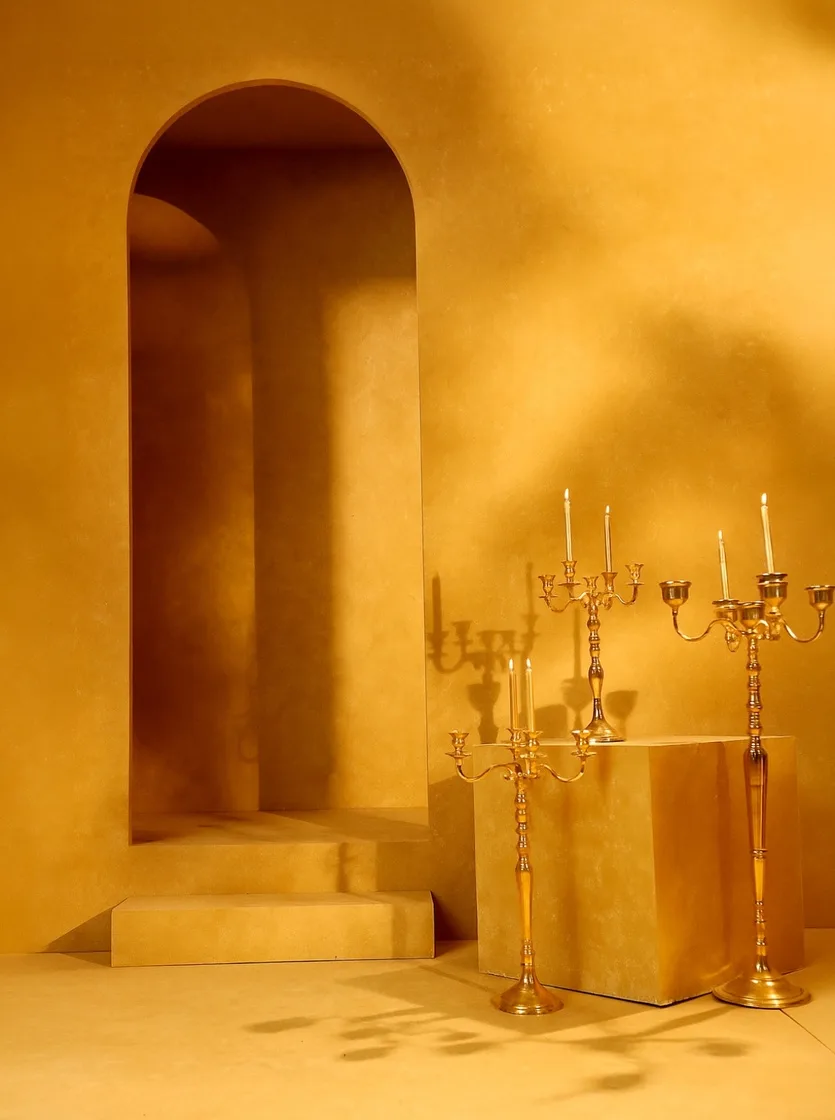
On flames: many studios do not allow open flames, so ask the host before you buy a single diya. LED diyas are the safe default and look close to real once the room is dimmed. This matches the general studio rental rules most hosts list: no smoke, fire or sparklers without prior approval.
Karva Chauth photoshoot and couple shot ideas
A Karva Chauth photoshoot is usually a couple session of 45 to 90 minutes. The poses are well known, so the difference is in the light and the styling.
- Channi frame: the wife looks through the sieve, with the husband's face framed inside it. Put a small warm light behind him so the sieve mesh glows, and focus carefully on the eyes.
- Puja pose with thali: seated or standing with the karva, thali and diya. Soft side light, warm white balance.
- Shringar and mehendi close-ups: bangles, sindoor, bindi, mehendi on hands. A macro or short telephoto lens and a reflector are enough.
- Sargi-style candid: a breakfast table set before dawn, with a mother-in-law or family member serving. Cool window-style light sells the early-morning feel.
- Moon-gazing silhouette: a large round light or printed moon on the backdrop, couple in silhouette. Easy in a studio, impossible to control outdoors.
Since the real moonrise in Delhi is expected around 8:17 PM on 29 October, many couples prefer a studio shoot a few days earlier so they are not fasting and rushing across the city on the day itself.
Outfit and colour planning for a festive family portrait
Coordinated is not the same as matching. A festive family portrait looks best when each person wears a different shade from one palette rather than identical outfits.
- Pick one family palette: deep maroon, gold and cream; emerald, mustard and ivory; or pastel pink, mint and peach for daytime-style setups.
- Give the eldest and the youngest the strongest colours so they anchor the frame.
- Avoid large logos, neon shades and very fine stripes, which look odd on camera.
- Bring one backup outfit per child, because spills happen.
- Match the backdrop to the palette: a dark backdrop for jewel tones, a warm beige or cream backdrop for pastels.
For couples, plan two looks: a heavier traditional outfit for puja shots and a lighter one for candid or bokeh shots.
Family shot list and kid-friendly timing
The number of edited images depends on the photographer's package, so agree it upfront; then hand them this minimum shot list:
- Full family group, everyone looking at the camera
- Full family candid, laughing or lighting diyas together
- Grandparents alone, then grandparents with each grandchild
- Each couple in the family on their own
- Siblings together, plus a Bhai Dooj-style tilak moment if you want it for 10 November
- Each child alone, close-up and full length
- Parents with children, no grandparents
- Detail shots: hands, jewellery, thali, rangoli, sweets
For children under five, book a morning slot between 10 AM and noon, after breakfast and before nap time. Feed them before you arrive and keep snacks that do not stain clothes. Shoot the group photos first while everyone is fresh; children's solo shots can happen whenever they are in a good mood.
A 2-hour studio slot plan
Remember that your booked time includes setup and breakdown. A tight 2-hour plan looks like this:
- 0:00 to 0:15: arrive, unload, finalise outfits and hair, photographer sets lights for the first setup
- 0:15 to 0:40: marigold frame setup, full family group shots and generations frame
- 0:40 to 1:00: diya rows with dimmed light, couples and grandparents
- 1:00 to 1:10: break, snacks, outfit change for children if needed
- 1:10 to 1:35: fairy-light bokeh for children, siblings and couples
- 1:35 to 1:50: details, thali and rangoli close-ups, any missed combinations
- 1:50 to 2:00: pack up and return props to their place
If your family is larger than eight people or includes very young children, add an hour. Photographers' festive packages vary with hours, outfit changes and the number of edited images, so ask each one whether studio hire is included or billed separately before you compare prices.
FAQs: Diwali and Karva Chauth photoshoots
When is Karwa Chauth in 2026?
Karva Chauth falls on Thursday 29 October 2026. Panchang sites put the moonrise in Delhi at around 8:17 PM, though exact timings vary slightly by source and locality.
How do I do a Diwali photoshoot at home or in a studio?
At home, clear one wall, use a warm lamp or window light, and keep the background simple with marigolds and a few diyas. A studio gives you controlled lighting, backdrops, space for a large family and no AQI or traffic noise to worry about, which matters more as the group grows.
What to wear for a Diwali family photoshoot?
Choose one colour palette and give each family member a different shade within it. Traditional outfits in rich or pastel tones work best; avoid logos, neon and busy patterns.
Can you use real diyas in a studio?
Only if the studio allows it, and many do not. Ask the host before booking. LED diyas are the safe default and look convincing once the ambient light is dimmed.
What is the best time to book a festive photoshoot?
Two to three weeks before the festival. For 2026, book this week for shoots before Karva Chauth on 29 October and the Dhanteras and Diwali weekend of 6 to 8 November.
Why book with ContCave
ContCave lets you browse and compare photography studios across Delhi, Gurugram and Noida in one place, with hourly pricing shown upfront. You can check listing photos, amenities and the add-ons or packages hosts offer, read reviews from past bookings, and message the host to ask about open flames, props or extra time before you book. Booking and payment happen online, and each listing shows its cancellation policy.
Final takeaways
Festive shoots reward people who plan early. Pick your date around the 2026 festival calendar, choose three or four setups instead of ten, settle on a family colour palette, and book the studio and photographer together this week.
- Book now for slots before 29 October and the 6 to 8 November weekend
- Ask the host about flame rules and default to LED diyas
- Pick one colour palette for the whole family
- Schedule children in a morning slot and shoot group photos first
- Compare studios and hourly rates on ContCave before you confirm